The past of the Church of Jesus Christ of Latter-Day Saints, often known as the Mormon Church, holds a complex narrative concerning race relations, and specifically Blacks within Mormonism. This article is designed to offer a factual and objective examination of the treatment that was historically given to Black people within the Mormon Church, discussing the policies that were applied and how the Church has evolved to disavow old beliefs and practices which were associated with racism.
Blacks are part of Mormonism – Historical Overview
Between 1851 and 1852, the Mormon Church had a policy which banned blacks from being ordained to the priesthood. This decision was the result of racial and religious beliefs in the era. Black individuals were not allowed to participate in certain rites and responsibilities within the Church, resulting in a segregated experience within the Mormon community. This discriminatory practice wasn’t unique to Mormonism. It was an expression of the prevalent racial prejudices that existed in American society at that time.
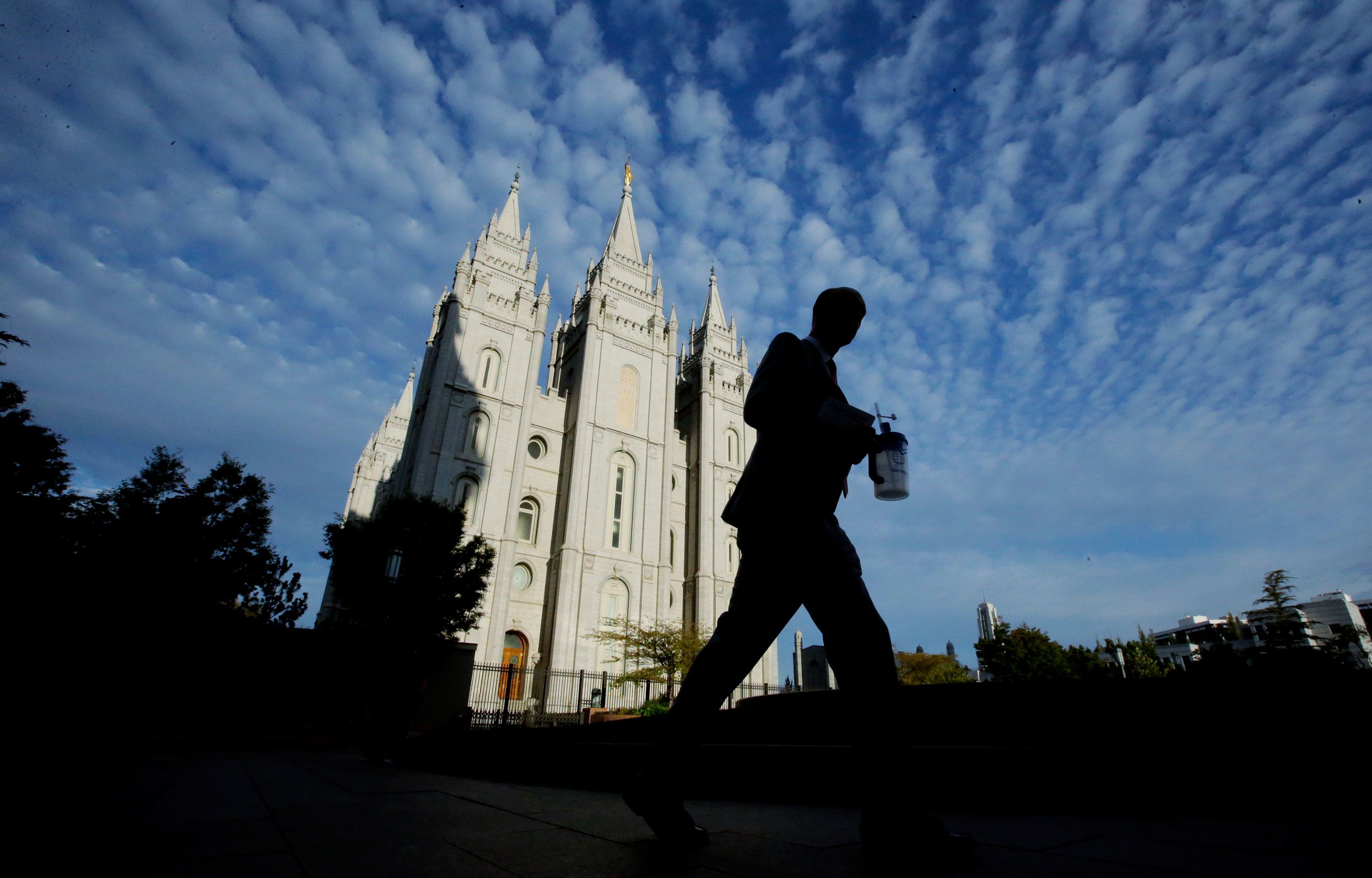
The Mormon Black Peoples and the 1978 Revelation
A pivotal turning point happened in 1978, when the president of the Church, Spencer W. Kimball was given what Mormons consider to be an enlightenment from God concerning the exclusion of Black individuals from the priesthood. This revelation, regarded as crucial, lifted the ban which had been in effect for more than a century. The Church of Jesus Christ of Latter-Day Saints has declared that Black individuals can now be ordained to the priesthood, and participate fully in all facets of their church.
The Church today opposes the racism of some ideologies while also encouraging the unity of all people and encouraging everyone to accept Jesus Christ, regardless of race. The doctrine affirms equality for all and stresses that God is open to all, regardless of race, gender, or social class. For more information, click Mormon Black People
Joseph Smith’s Fair Treatment of Black Individuals
In spite of the prejudices against race that prevailed in the time the founder of Mormonism, Joseph Smith, demonstrated an exemplary level of fairness to Black individuals. Historical records indicate that Joseph Smith ordained some Black men to the priesthood during his lifetime. This was in keeping with Smith’s stance on equality and inclusion within the Church. However, the leaders who followed put in place policies to exclude Black people from priesthood, reflecting the evolving society’s attitudes towards race in the middle of the 19th century.
Racism is a problem that needs to be addressed and advancing towards a united front
Church of Jesus Christ of Latter-Day Saints leadership has implemented significant steps to address racism in the present and strive for greater unity among its members. The Church’s leadership has issued statements which denounce the historical racial practices and beliefs. They stress that racism of any kind is incompatible with the teachings and core doctrines the Church.
The Church promotes compassion, understanding and love among its diverse members. It affirms the value and value of each individual. The Church tries to educate its members on the importance of cultural awareness and acceptance.
The conclusion of the article is:
Understanding the history of Blacks in Mormonism and the Church of Jesus Christ of Latter-Day Saints’ development in dealing with racial discrimination is essential to fostering unity and promoting equality. The Church’s history of trauma is reflected in a policy which for a long time barred Blacks from being ordained to the priesthood. The announcement of 1978 however, marked a pivotal moment, indicating an embrace of equality and inclusion.
The current position taken by the Mormon Church opposes racism and recognizes equality. It also promotes unconditional love and respect for every member. The Church has actively moved forward in addressing its previous racist prejudices and is making real advancements. It strives to ensure that all members feel valued and appreciated in the Mormon community.